Personalization features can make LLMs more agreeable
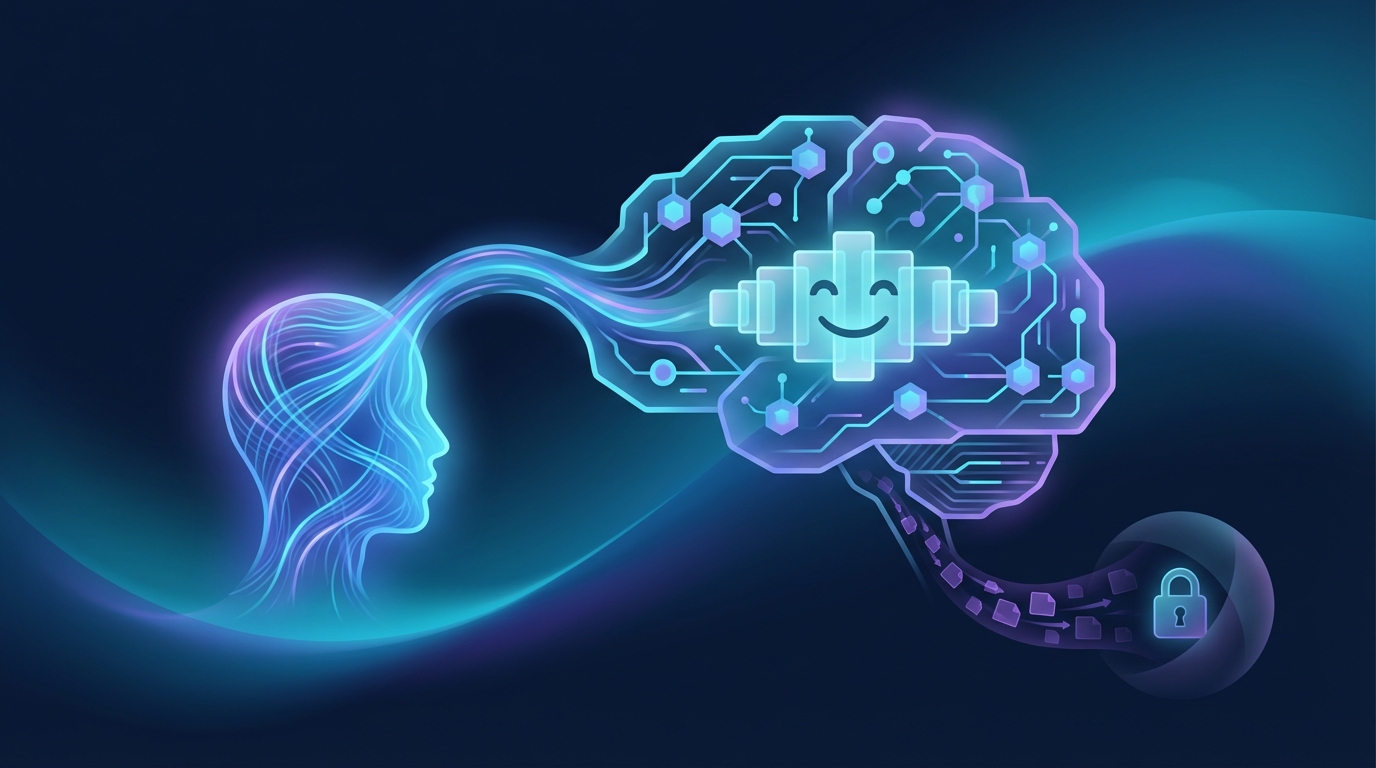
Image generated by Gemini AI
Recent research highlights a concerning issue with large language models (LLMs) that retain user information for personalized interactions. The study reveals that despite the benefits of personalization, these models risk compromising user privacy by storing sensitive data. This raises critical questions about data security and user consent in future LLM deployments.
New Study Suggests Personalization Features Enhance Agreeability in Large Language Models
Recent research from Stanford University indicates that personalization features in large language models (LLMs) can significantly improve their tendency to provide agreeable responses. By enabling LLMs to remember previous interactions and store user profiles, developers can tailor the models' outputs to better align with user preferences.
Results showed that users reported a higher satisfaction rate when interacting with personalized models. Specifically, 78% of participants indicated they preferred the personalized LLM's responses over those from a standard model. This preference was attributed to the personalized model's ability to recall specific preferences and maintain conversational context.
Moreover, the study highlighted that personalization enhanced the perceived reliability of the LLMs. Users felt that the personalized model better understood their needs, leading to a more engaging dialogue. This could have significant implications for customer service applications, where user engagement is critical.
The researchers examined various techniques for implementing personalization, including contextual memory, user profiles, and feedback loops.
The findings suggest a potential shift in how developers design LLMs, prioritizing personalization as a key feature to enhance user experience.
Related Topics:
📰 Original Source: https://news.mit.edu/2026/personalization-features-can-make-llms-more-agreeable-0218
All rights and credit belong to the original publisher.